9 -1989 - Setanta Calls
and The Circus Here With You
The Circus Here With You
January. A new year, a new lineup, and we decided to go back into the studio.
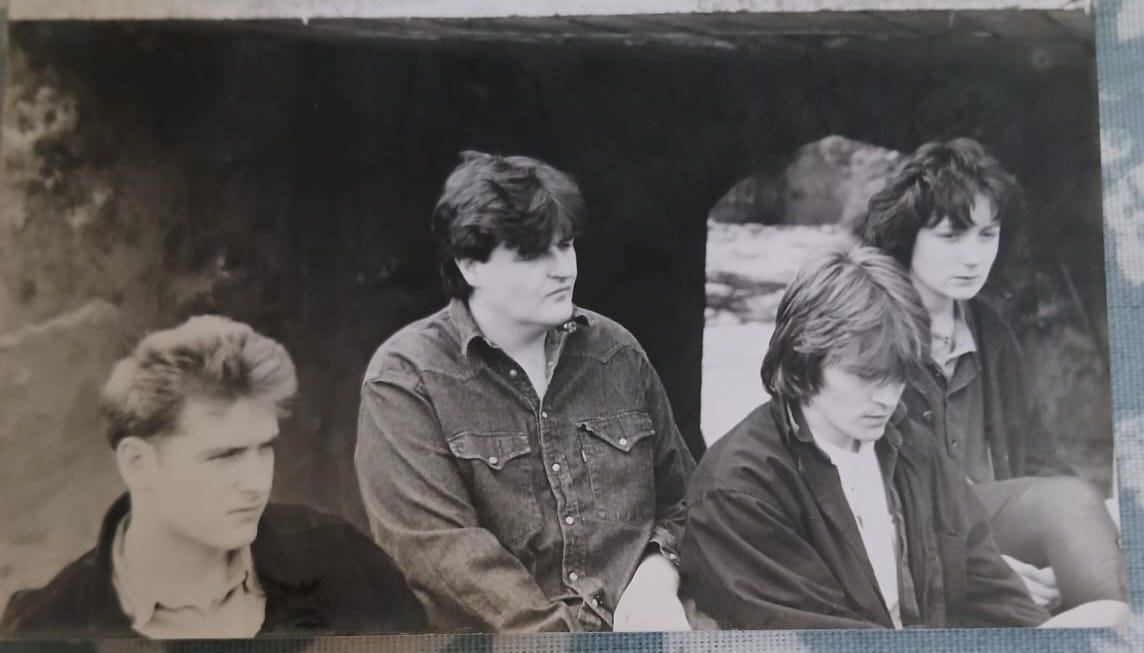
The four of us now: myself, Rachel, Dave, and Ronan. It felt different walking in — settled, like we finally knew what we were. We’d worked with Larry before, and I knew him well enough by this point that going back to Elektra made sense. Familiar room, familiar faces. We picked a few songs to record — I think it was three, but I can only remember two with any certainty: ‘Here With You’ and ‘A Circus Came to Town.’
‘Here With You’ was Dave’s — he’d written it a while back. I always liked it, the simplicity of it, the vibe. That classic Dave guitar style running all the way through.
‘A Circus Came to Town’ was a different story. I brought the riff in, and I’d been listening to ‘Raspberry Beret’ by Prince at the time, trying to get something of that poppy feel into it. Simple picking, almost disposable if I’m honest, and this was not what the band was about. Maybe we were just messing around and it stuck. Dave jumped on it immediately, wrote lyrics, called it ‘A Circus Came to Town.’ The first gig we played it, the crowd got it straight away — we actually played it twice that night. People responded to it. I never really liked it.
Ronan was fully in the band by now, the youngest of us and the last to arrive, but you wouldn’t have known it. Solid character, interesting, funny, sharp, and we got on immediately. His drumming was the foundation, and together with Rachel on bass it gave us something we hadn’t quite had before — a rhythm section you could actually lean on, the backbone we’d been looking for.
This was Ronan’s first time in a recording studio, and you might have expected nerves, but there were none. He sat down behind the kit and nailed the drum parts in the first or second take, no fuss, just like that. Walking into Elektra that January with the four of us, something had clicked.
Around that time I was hanging around with Charlie, the singer from a band called The Real Wild West, who were one of the great lost Irish bands.
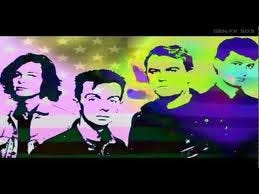
Charlie sang and played bass — quite a menacing stage presence — Paul was on guitar playing slide, a unique style, and they even had a trumpet player, which was unusual then. The band was very original, powerful live, and one of the best I ever saw.
I took a break from the recording at Elektra and went for a pint in The Foggy Dew, the studio being only a few minutes away.
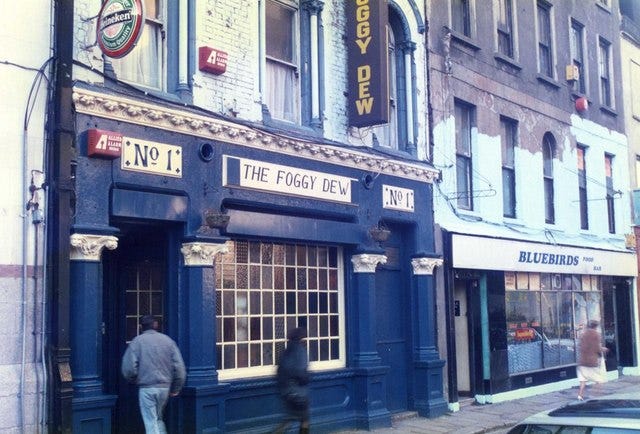
Paul was there and we got talking, and I mentioned I was recording around the corner. His whole demeanour changed — he got intense, insistent that he needed to come with me right then, and he pulled out this scrap of paper, handwritten, barely legible, claiming it was a contract that could sign us to Mute Records, Nick Cave’s label.
I mean, I was looking for a record deal, but Jesus Christ, I wasn’t expecting it from a scrap of paper in a pub at half ten at night. Was he serious? Taking the piss? Half-cut, certainly.
I left the pub and went back to the studio, back to work. Later, as we were mixing the tracks, I looked around and there was Paul standing at the back of the room, waving his little piece of paper around. Larry looked at me with an expression that said get him out of here — he knew Paul, he was well aware of his antics.
This wouldn’t be the last time I would have an interaction with Paul.
Although the recording session was relaxed and going well, we instantly fell into the ‘80s production trap — triggered snares, gated reverb on everything, Korg M1 synth strings, orchestral stabs.
The early 1986 demos, the ones that got me into the band in the first place, had raw atmospheric drum sounds, production that felt immediate and alive. Those recordings were light years beyond what we were doing now. And here’s what kills me: I never asked who engineered those sessions, never asked what studio they used. I should have said, let’s go back there.
Looking back, I doubt these recordings would have got us signed. The songs were fine, but compared to the earlier material, the ones that had real urgency and rawness to them, they weren’t in the same league.
As it turned out, it didn’t matter.
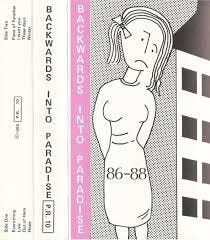
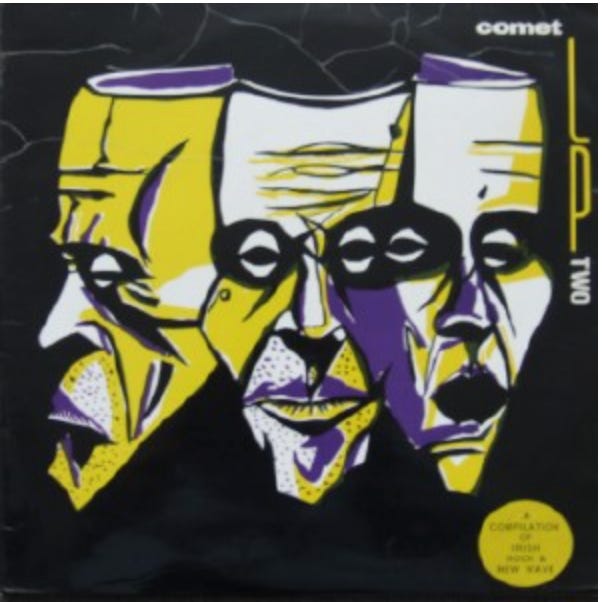
Someone had already heard us — through a Comet Records compilation album and a cassette Dave had made a few months earlier called ‘Into Paradise 86-88.’ It wasn’t these recordings that would bring us to anyone’s attention.
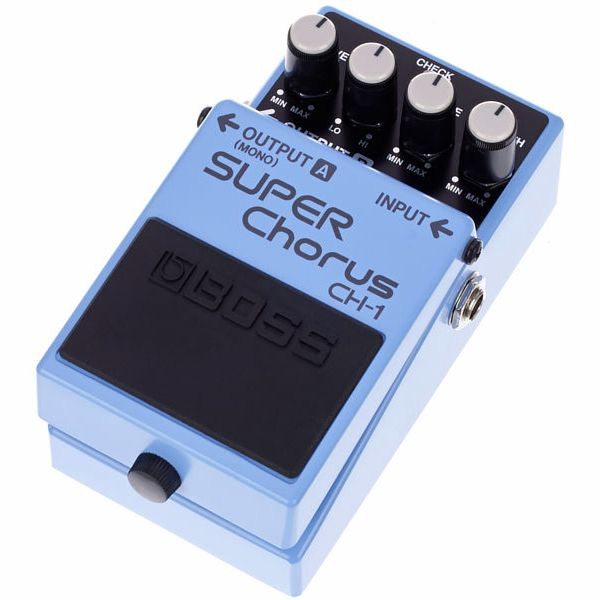
There were certain guitar sounds everywhere, and you couldn’t help but absorb them. The band House of Love were doing well around that time, and they had a particular chorus-affected guitar sound that we all thought was great, particularly their song ‘Christine.’
One day I said to the band, half-joking, that I thought I should buy a chorus pedal and sound like House of Love, that everyone seemed to be using it and maybe we’d get a deal.
A week or two later, the phone rang.
Setanta Calls
I was sitting at the counter in Sound Gear with Russ, the two of us jamming away on guitars the way we always did when things were quiet, when the phone rang. It was Dave. ‘A guy called Keith rang me,’ he said. ‘He runs a new label, Setanta Records. He’s heard some of our music and wants us to come over to London to record some songs with him.’ I was taking that in when he added, ‘And get this. He wants us to go into the studio with Adrian Borland.’
Adrian Borland. From The Sound.
The Sound were one of those bands that never got the recognition they deserved — the poorer cousins of Echo and the Bunnymen, U2, and Simple Minds, always somehow just outside the conversation.
From the Lion’s Mouth was one of my favourite albums, particularly ‘New Dark Age,’ and now someone was asking us to go to London to record with the man who made it.
I couldn’t speak for a moment. This is the kind of call every aspiring musician dreams of — a label, a studio, London, and a producer you actually respect. I’d spent years wondering if it would ever happen. Now someone was on the other end of the phone telling me it was.
I hung up and sat there at the counter in Sound Gear. Russ looked over. ‘Who was that?’ ‘I think we’re going to London to make a record,’ I said. He stopped playing. ‘No way. Jesus, that’s amazing.’
Everything had changed in that moment.
The Sound, fantastic, and Adrian’s solo stuff. Can’t wait for the next chapter Jimmy
The Real Wild West. What a great band they were. A lot of the menace they carried came from those rumbling bass lines!