11 - Blue Light

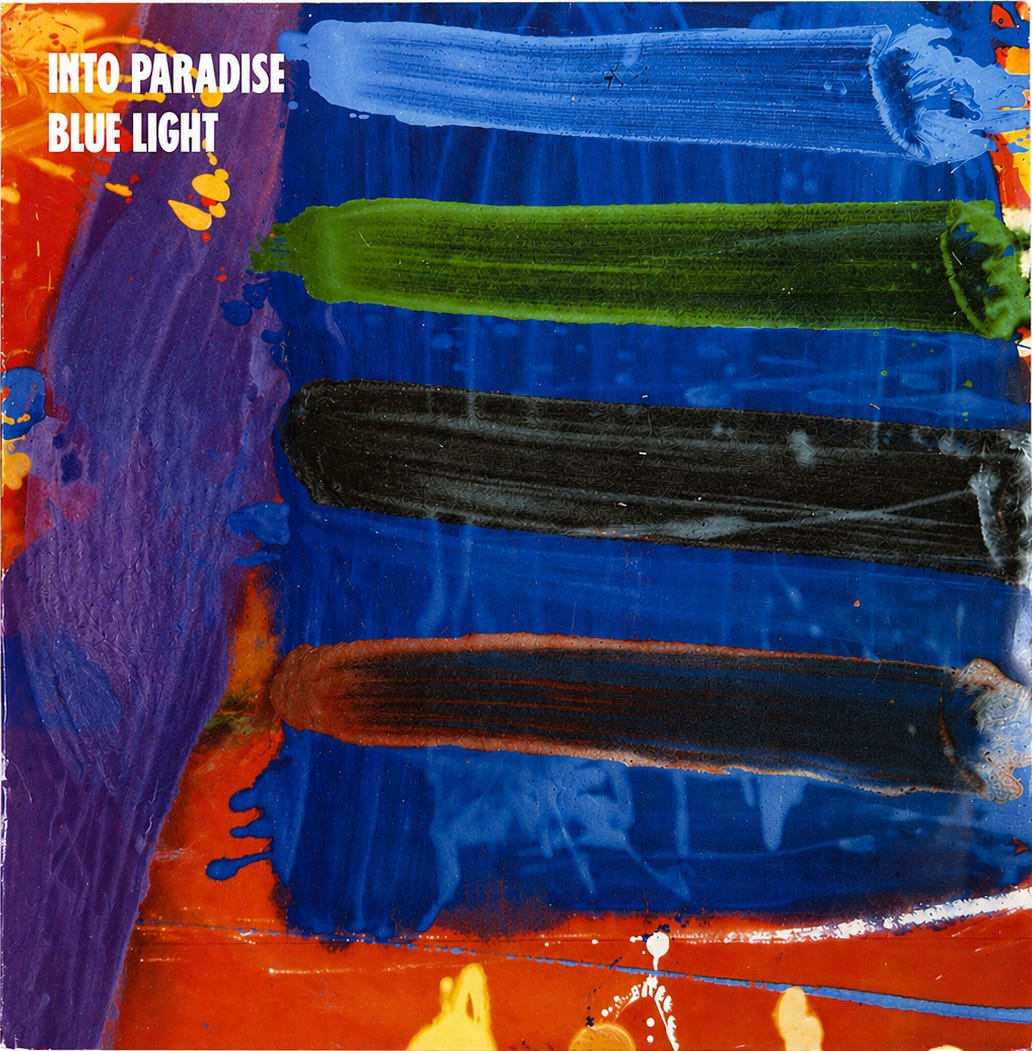
Sometime around June, Dave Fanning played our debut single on 2FM. Ireland’s answer to John Peel. To hear yourself on national radio for the first time was a milestone. Pre-release copies of our single went out to radio, and we each got one. I remember holding it. Felt like I’d arrived. Little did I know it was only the beginning of a long haul.
The first track was “I Want You.” I can recall vividly the day Dave brought it into the band. We rehearsed it upstairs in the Temple Bar Music Centre. Within fifteen minutes all the parts were worked out, and they never changed.
It's an acoustic song, built on a four chord trick. A song about loss and unrequited love, but never mawkish. Dave's voice always seemed to be reaching for the note, which gave it an unguarded honesty, reminiscent of Lou Reed on "Walk on the Wild Side," that same storytelling quality.
Adrian’s synth lines moved delicately underneath the vocal, supporting and framing. The Bunnymen and the Cure were in its DNA. I was very happy with the chiming Telecaster sound I got from the Vox AC-15. Bass and drums sounded great, clean and open sounding. Nick did a great job on this.
I Want You
It's worth pausing here to take in the musical landscape. Around the same time we released "Blue Light," some of the most important records made in the 80’s were coming out. These were not our contemporaries. They were behemoths. They came out within weeks of each other, the quality was extraordinary.
The Pixies released Doolittle — a record that punches you in the face and still does to this day. It was here they developed the loud-quiet dynamic that would go on to influence another band you may have heard of.
The Cure put out Disintegration, darker and more expansive, a return to the mood of Seventeen Seconds and Faith.
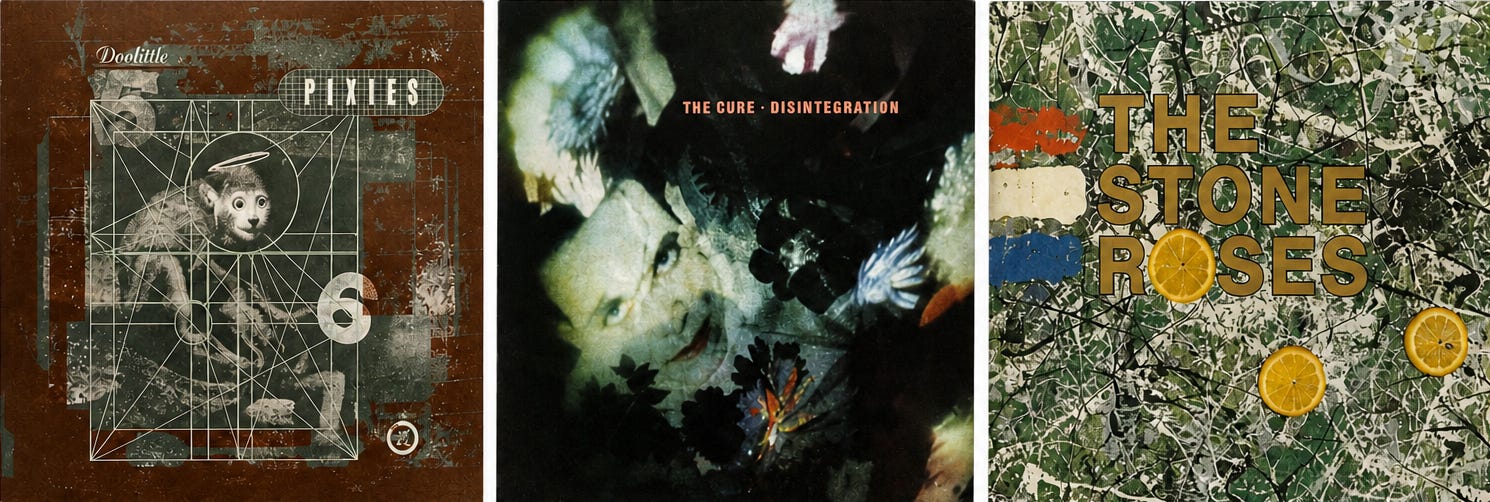
And then, almost without anyone noticing at first, The Stone Roses released The Stone Roses. It would go on to change everything — music, culture, and fashion.
We were nobodies from Dublin. But our record was in the shops. Our name was in the music press. It was only the beginning, but we had a foothold.
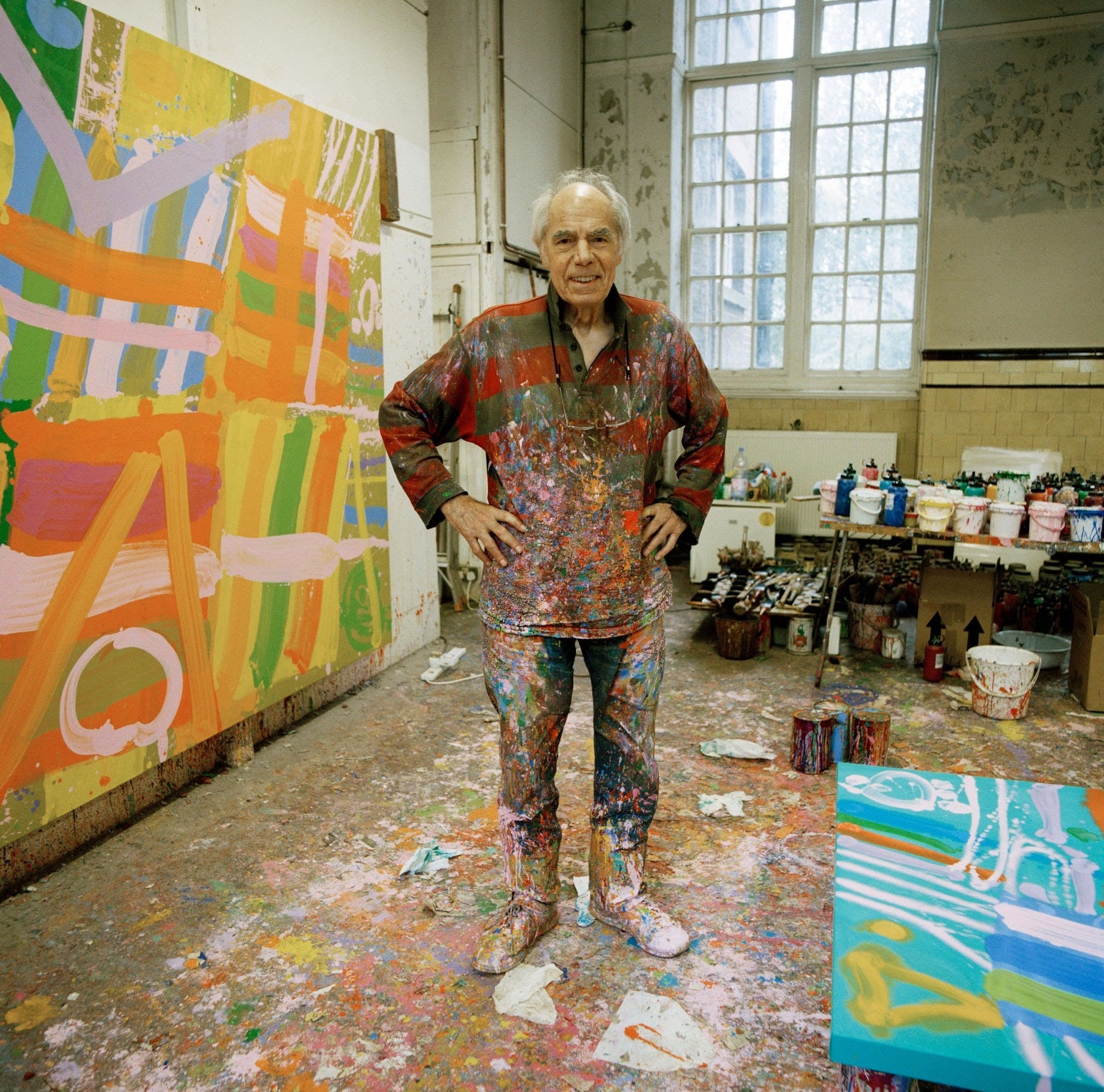
The EP cover artwork was Keith’s choice entirely, we had nothing to do with it. The painting was by Albert Irvin, a British Abstract Expressionist, though I didn’t know that at the time. I just registered that it was vivid, almost aggressively colourful.
I’d always had a thing for abstract art, and in some ways it felt like it gave us an identity, not in any literal sense, but it was very striking. Keith was the same man who had pointed us towards Adrian Borland. So him choosing that painting made me feel more comfortable about his judgement after this.
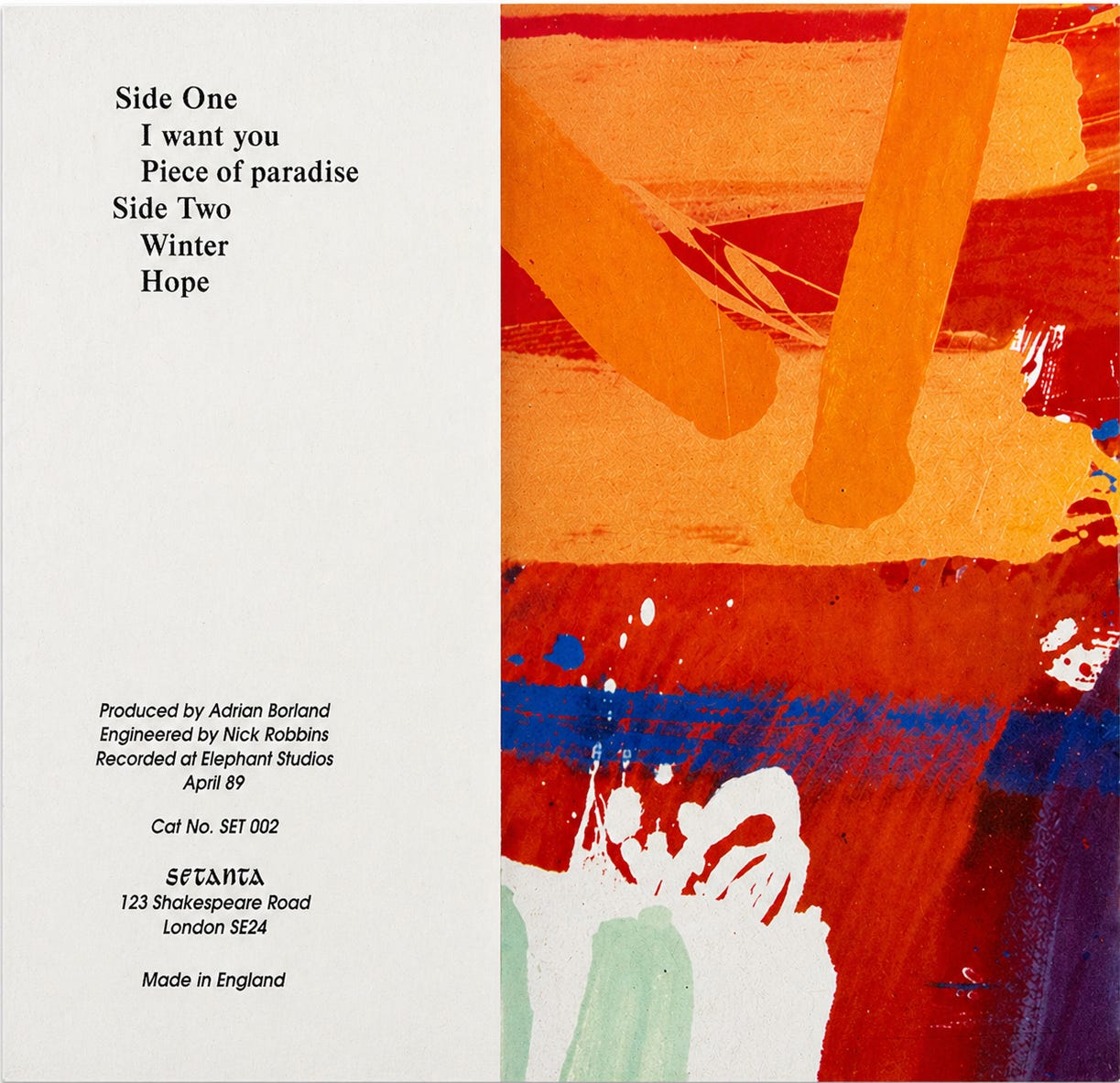
The back of the sleeve was done by Keith with Letraset — letters rubbed on by hand, one at a time, from a sheet of transfer type. There’s a certain charm to the slightly skewed, hand-assembled quality, sitting in odd tension with the painting on the front. There was no artwork credit anywhere on the sleeve. No title of the work, no mention of Irvin anywhere.
Somewhere there’s a painting hanging up that ended up on an Irish band’s single in 1989. Professional abstraction on one side, kitchen-table typography on the other.
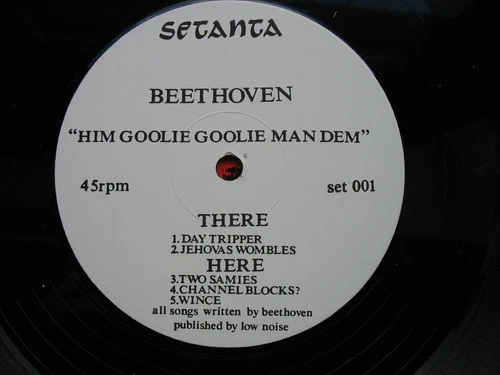
A few weeks before Fanning played us, Setanta’s first release had come out “Him Goolie Goolie Man, Dem” by Beethoven. This was Setanta 001, and we were going to be the second. They’d got Single of the Week in the NME.
It was very original stuff. Among the tracks was a completely new interpretation of The Beatles’ “Day Tripper” far removed from the original, unsettling in the best possible way, sounding like nothing else around. Ricky Dinneen was on guitar. One of the best this country has ever produced, cut from the same cloth as John McGeoch.
Finbarr Donnelly was only twenty-seven when he tragically drowned in Hyde Park. The band would have gone on to do some great things if this awful accident had not happened.
I hadn’t known Finbarr personally, but I knew of him — Five Go Down to the Sea, Microdisney, that whole Cork contingent. There was definitely something in the water down there. We were about to become Setanta’s second release. We should have felt elated. And we did, up to a point. But this tragedy tempered the mood.
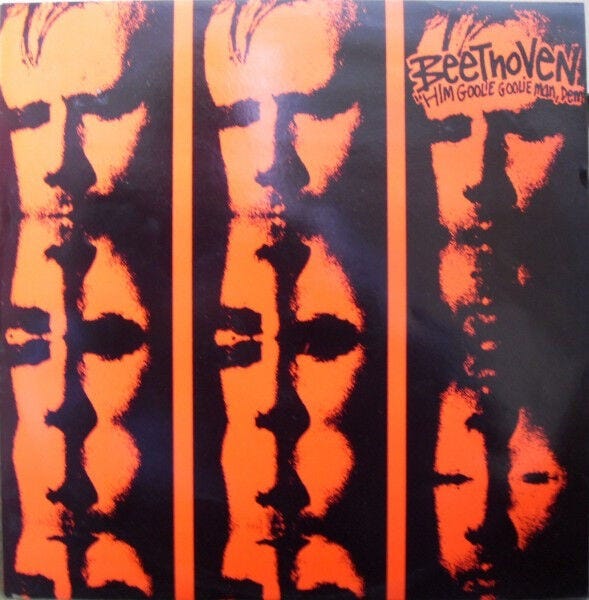
Paul McDermott has written a great piece over on Medium about Donnelly — the story of Finbarr Donnelly and his bands Nun Attax, Five Go Down To the Sea? and Beethoven — and it’s really worth visiting.
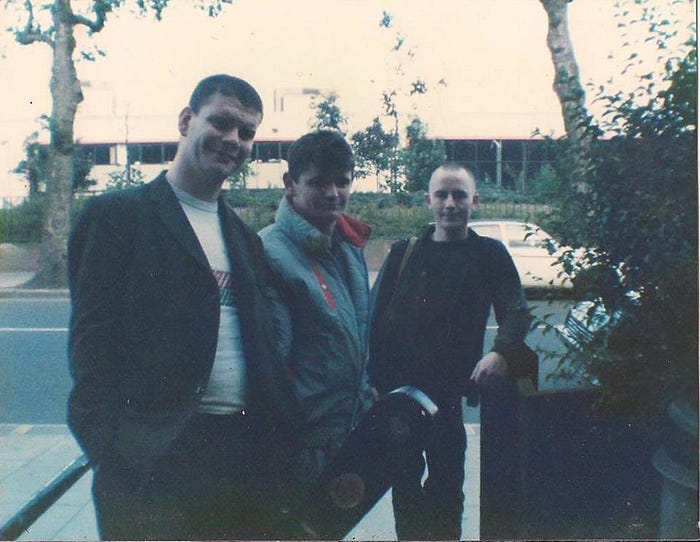
From April to July we busied ourselves writing in the rehearsal studio down in Churchtown. We’d come back from London on a high after recording the debut single. Keith rang to say he wanted to make an album in July. All we had to do was come up with an album’s worth of new songs in three months. It sounded simple enough. We were confident we could do it. I guess we were going through a purple patch.
There was a conversation about starting the album with an instrumental, a little jaunty guitar number, which we just wrote. This was where I brought out the chorus pedal I’d mentioned earlier, to get that House of Love sound.
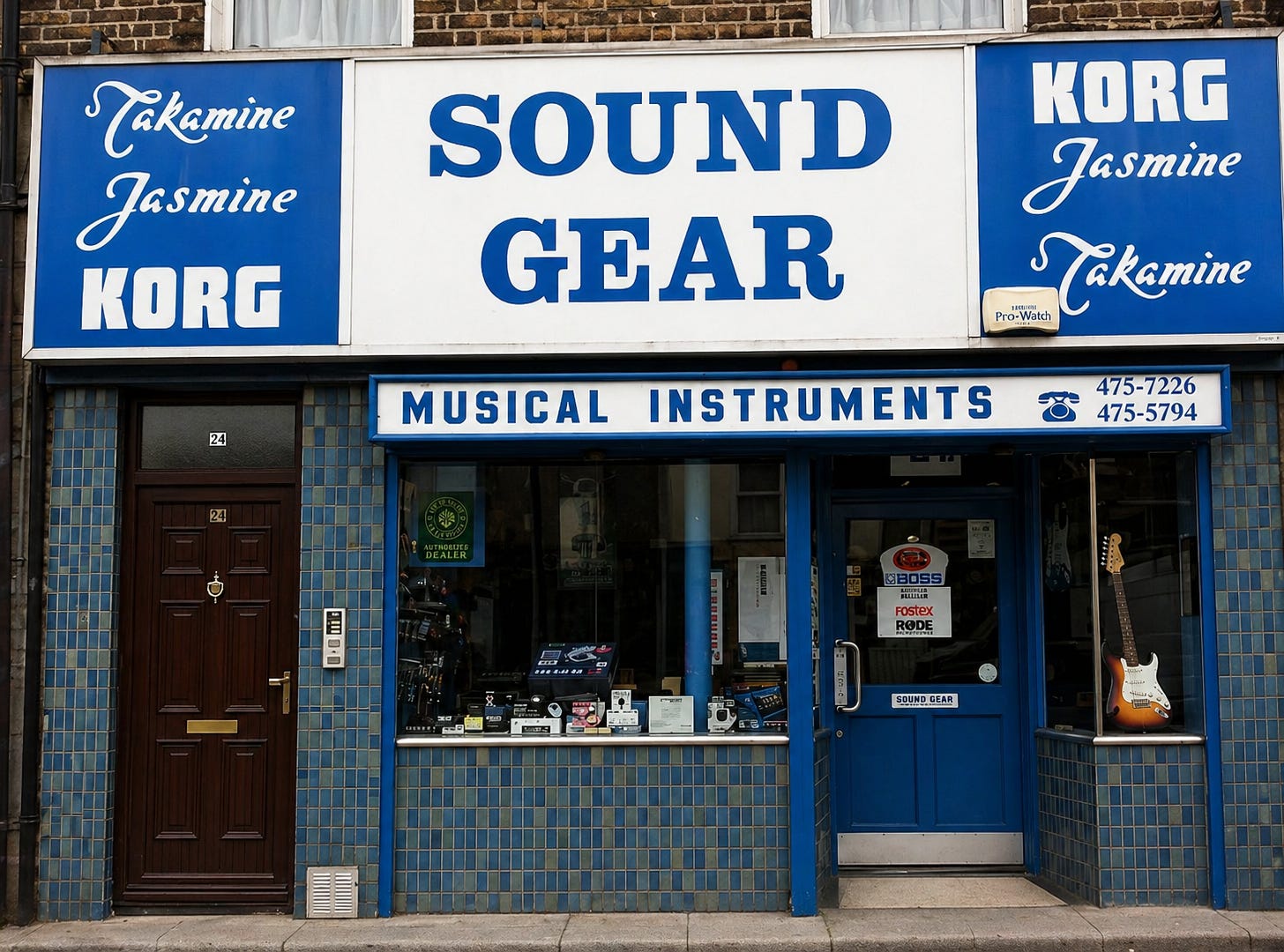
It was all very matter-of-fact. Each day, each week, a new batch of songs. Because I was working in Sound Gear at the time, I had access to guitars, amps, and synths. But the most important thing about Sound Gear had nothing to do with the equipment. It was my co-worker Russ.
Russ was a true musician — the kind who has it in his bones, so it doesn’t matter whether it’s metal, rock or indie, he just loved a good song. Five days a week I’d pester him to pick up the bass or a guitar while I worked through new ideas or messed around on the keyboards. He never once declined. On reflection, I think this is how we managed to write twelve songs in three months. Every single day I was focused on nothing else.
Working in Sound Gear had other benefits too. We did a quiet trade in cheap strings, drumsticks, and plectrums for most of the Dublin bands at the time. We used to say to each other that this was our commission.
There’s a photograph I’m including here of Sound Gear, and if you look closely you can see a door marked number 24. Behind that door was a room where all the cardboard was stored. After a heavy night, myself and Russ had an arrangement. One of us would quietly slope off, curl up under the cardboard, and sleep off the hangover. The code between us was “I’m just going in to do the boxes.” Rory, the boss, would be standing nearby, none the wiser. We’d come back out twenty minutes later, good as new. It was one of the better perks of the job.
It was early summer, and I’ll never forget that stretch. The rehearsals down in Churchtown, the days in the shop with Russ. We were all doing things, and there was this sense that everything was still opening up, that the best of it was still ahead. You don’t always recognise those periods while you’re in them. But I did.
When we had three or four songs ready, we’d head over to Dick Keating’s studio in Ballinteer which was a shed at the back of his house. Dick was a friendly, funny older man who’d mic up the drums with great ceremony and say, “This is what they do in Abbey Road.” We’d nod and try not to catch each other’s eyes.
We were just putting the songs down to document them, to give something to Keith and Adrian to work with. The recordings sounded absolutely awful. It didn’t matter much, because we knew we’d be going back to Elephant to record properly. Dick’s place was just for documentation, a rough reference, a way of remembering what we’d written. A cassette recorder in the rehearsal room might have done the job as well.
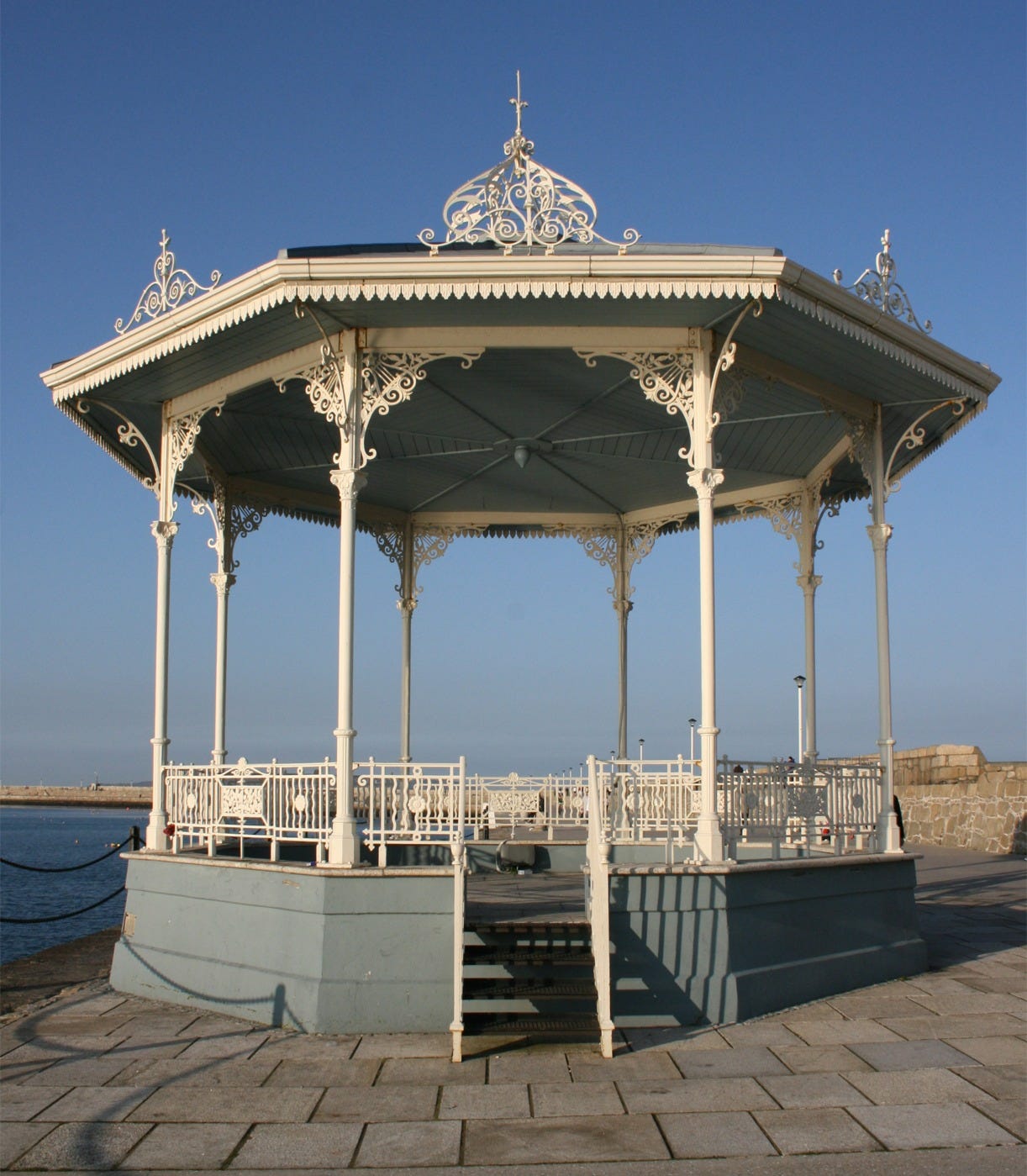
Oddly, the only gig we played during that whole period was on the Victorian bandstand in Dun Laoghaire, right by the sea. First and last time we ever played one. The promenaders were probably expecting an oom-pah-pah brass band. What they got was a guitar band trying out their debut album for the very first time. What we sounded like to them, I genuinely have no idea.
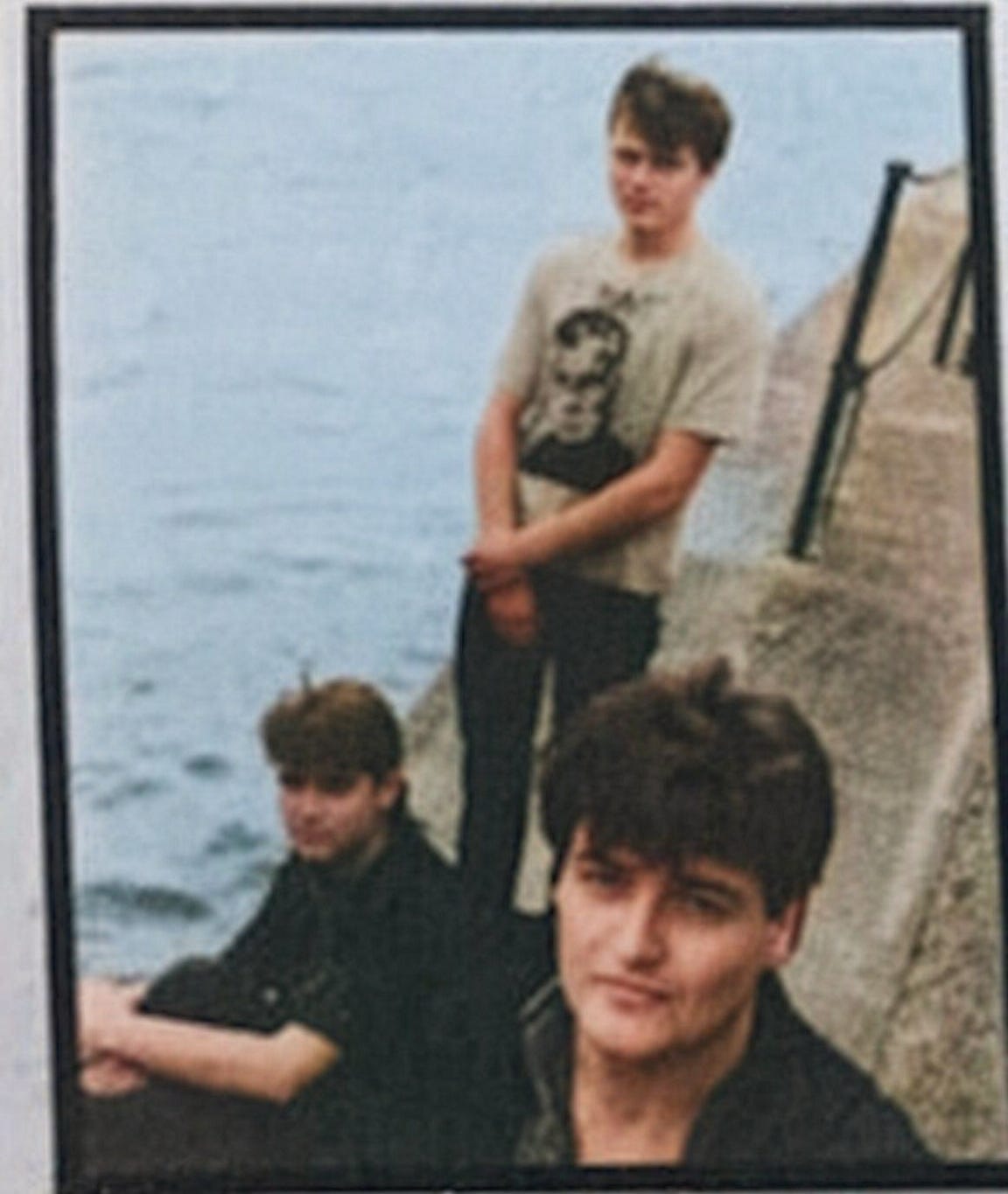
There’s a photo from that day, it’s only myself, Ronan, and Dave in it. I don’t know where Rachel was, but she was definitely there.
By mid-July the songs were written and we were ready to return to London.
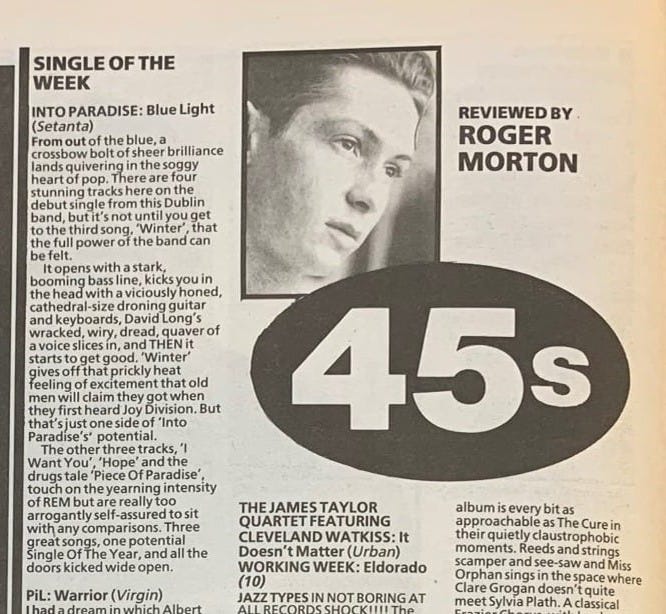
The night before we went into the studio, we met Keith in a pub on Charing Cross Road. That was when he told us — “Blue Light” had been made Single of the Week in the NME. Roger Morton had praised all four tracks, name checked Joy Division and REM, and called it a potential Single of the Year.
Someone ordered jello shots to celebrate, these were little glasses of vodka suspended in jelly. Then someone ordered more. By the end of the night we were all paralytic, spilling out onto the street in various states of disrepair.
The next morning, still hungover, in the intense heat of a London summer, we walked into Elephant Studios to start recording our debut album.
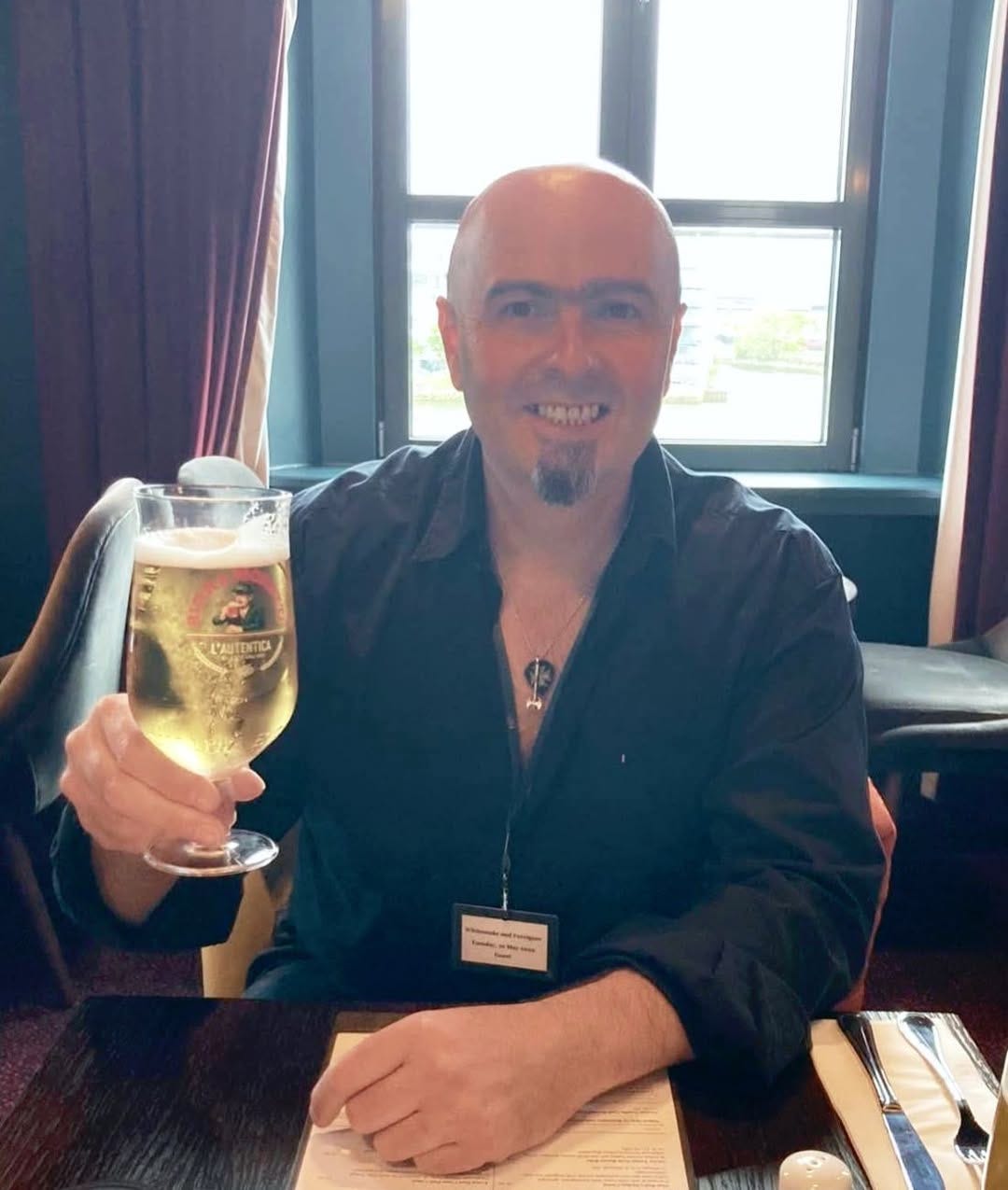
For Russell Taylor, 1968–2025.
Those t-shirts Jimmy…you had a Beckett, I had the James Joyce one! Part of the uniform for Dublin musicians back then!🤣